Category Archives: Wine

King of the wine frontier

davy-crockett-cYes, Davy Crockett makes wine. In fact, he’s currently celebrating his 20th anniversary in the business. Don’t get the wrong idea – this is no coon-skin-cork swill – this is good stuff. Fess Parker is his real name and before getting into the wine business he was an actor best known for playing Davy Crockett (catchy theme song here) and Daniel Boone.

Today I was at a lunch hosted by Tim Snider, his CEO and son-in-law, Lauber Imports and Dendor Wines, to honor the Fess Parker Winery & Vineyard.

The winery and vineyards are located in Santa Barbara County, a region made famous by the 2004 movie Sideways. Throughout the film, the main character Miles (Paul Giamatti) poo-poos Merlot and praises the virtues of Pinot Noir. Believe it or not, Britain’s The Sunday Times reported that the film had a direct impact on wine sales in the western part of the United States – Merlot sales dropped 2% and Pinot sales went up 16% following its October release. Amazing that people would follow the advice of someone who chugged from the spit bucket.

The cooling winds from the Pacific Ocean, the mountains and the abundant sunshine make Santa Barbara County a great region for Pinot. But after what I tasted today, I think it’s an even better region for Rhône varietals (think Grenache Blanc, Syrah). Fess Parker makes many different wines at different price points, from value wines to single vineyard wines and one of them is even called Frontier Red.

Here’s what we tried:

1. Epiphany Grenache Blanc 2008. creamy texture with notes of lime, melon, minerals and wet dog (in a good way) backed up by bright acidity.

2. Fess Parker Santa Rita Hills Ashley’s Vineyard Chardonnay 2006. ripe apple and pear with a round, full mouthfeel. toasty, buttery, oaky, but not overdone.

3. Parker Station Pinot Noir 2007. I found this wine online for as low as $8.99. I’m always afraid of inexpensive Pinot Noir because it tends to be gross, but this was good juice. cherry cola and violets with light spice and a nice earthy quality.

4. Fess Parker Bien Nacido Vineyard Pinot Noir 2002. this wine is no longer available, but Tim showed it to us to illustrate how the winemaking style at Fess Parker has changed over the years. this was a big, concentrated, highly extracted wine – more like a Syrah then a Pinot, with notes of stewed fruits, leather and mushrooms. Go figure that it was in the top 15 Pinots from California in Wine Spectator upon release and got a 93 from Robert Parker.

5. Fess Parker Bien Nacido Vineyard Pinot Noir 2006. this was the grown-up, elegant, well-balanced version of #4. here, they began striving for prettier, more food-friendly styles of wine.

6. Fess Parker Rodney’s Vineyard Syrah 2005. blue and black fruits with smoked meat and black pepper.

So, like I said, this was no (Daniel) Boone’s Farm hogwash, but you might consider taking a bottle on your next camping trip – or maybe just enjoy one with your next dinner in the city.

1 Comment

Filed under Wine

Sweetness is my weakness

Actually that’s not true. I’m more likely to order a second appetizer or a cheese plate instead of dessert, but I do really like sweet wines.

Sweet wines, like Riesling (REES-ling), are underappreciated. They’ve experienced short periods of popularity dating back to ancient times; the most admired wines of classic Rome were white and sweet and in the Middle Ages, several city states in Italy like Venice and Genoa profited from producing sweet wines. After that, the Dutch Wine Trade was making sweet loot from the sweet wines of western France in the late 17th century.

So, how do you get a sweet wine? Well, the most common way is to add some form of sweet grape juice and then stabilize it, so the yeast don’t start feeding on the additional sugar, which would start a second fermentation. The best sweet wines, however, are made by concentrating the sugar in the grapes. You can do this three ways.

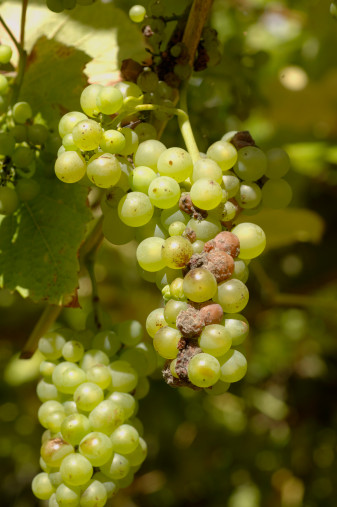
1. noble rot, where a fungus pierces the skin of the grapes and sucks out the excess moisture (this category is called botrytized wines because the technical name for the fungus is botrytis cinerea)

Grey mould or noble rot (Botrytis cinerea) infection on English

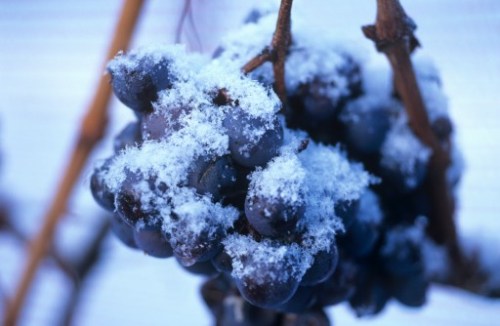
2. Process frozen grape clusters, either by letting the grapes freeze on the vine or by using a freezer after harvest (this category is eiswein)

76948042

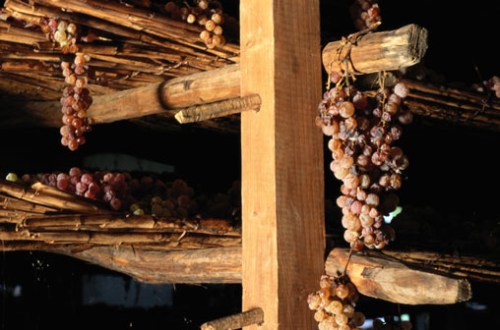
3. Dry mature grapes on the vine or after picking (this category is dried grape wines)

Drying grapes

What counts as sweet? Wines taste sweet mostly because of the residual sugar they contain, but our perception of this can be altered by acidity, tannins, presence of carbon dioxide and serving temperature. Alcohol can also taste sweet. For example, a Chardonnay with only 2 g/l of residual sugar that is high in alcohol can taste sweet, while a sweet Vouvray (Chenin Blanc from the Loire Valley) that contains over 30 g/l of residual sugar may taste dry when it’s young. Two other complicating factors: different terms are used in different languages to describe sweetness and only sparkling wine producers are required to indicate the sweetness level of their wines on the label.

I’ve recreated a chart I found helpful in The Oxford Companion to Wine:

Residual Sugar (RS) g/l English French German Italian Spanish
up to 4 (or not exceeding 9 as long as the acidity is within 2 g of the RS) dry sec trocken secco or asciutto seco
4-12 medium dry demi-sec halbtrocken abbocato semiseco
12-45 medium
(or medium sweet)
moelleux lieblich amabile semidulce
at least 45 sweet doux süss dolce dulce

So, why don’t more people like sweet wine? New wine drinkers often prefer some residual sugar in their wine, so perhaps sweetness in wine has become associated with a lack of sophistication. Others might fear that a dessert wine will be too sweet or cloying, but as long as there’s enough acidity to balance the sweetness, it will be anything but.

Here’s a food and wine pairing trick to try – pair a sweet wine with something sweet for dessert and together, both the wine and the dessert will seem less sweet. This is not intuitve for most people – 1+1 does not equal 2.

Here are some of my favorite matches: chocolate-based desserts with Banyuls (a fortified wine from southern France) or Tawny Port, nut-based desserts with Oloroso Sherry or Vin Santo (dried grape wine from Tuscany) and fruit-based desserts (especially berries) with Moscato d’Asti (a sweet sparkler from northern Italy) or Muscat de Beaumes-de-Venise (a vin doux naturel from the Rhône Valley). Many sweet wines, like Sauternes (botrytized wine from Bordeaux) or Madeira are brilliant with a cheese course if finishing savory is more your style.

Let your preconceptions go and have a little something sweet. They’re some of the best wines in the world.

2 Comments

Filed under Lessons, Wine

It’s cool enough for 007

James Bond invented a drink in Ian Fleming’s 1953 novel Casino Royale.

“A dry martini,” Bond said. “One. In a deep champagne goblet.”

“Oui, monsieur.”

“Just a moment. Three measures of Gordon’s, one of vodka, half a measure of Kina Lillet. Shake it very well until it’s ice-cold, then add a large thin slice of lemon peel. Got it?”

“Certainly, monsieur.” The barman seemed pleased with the idea.

“Gosh, that’s certainly a drink,” said Leiter.

Bond laughed. “When I’m…er…concentrating,” he explained, “I never have more than one drink before dinner. But I do like that one to be large and very strong and very cold and very well-made. I hate small portions of anything, particularly when they taste bad. This drink’s my own invention. I’m going to patent it when I can think of a good name.” (Ian Fleming, Casino Royale)

What a guy. This later became the Vesper Martini (named for his love-of-the-moment Vesper Lynd). You’ll notice that the recipe calls for Kina Lillet, which has not been available since the early 1980s, so Lillet Blanc or dry vermouth is often substituted.

Vermouth is a an herb-flavored fortified wine. Industry folks call it an “aromatized” wine. Many herbs and spices are used, but the more classic version is the almost dry, bitter drink with the strong aroma of wormwood and other bitter herbs. Yes, I said wormwood (artemisia absinthium), a major ingredient in absinthe and rumored to have caused hallucinations. Turns out that some poisonous chemicals were added to cheaper versions of absinthe in the 19th century to give it a more vivid green color. Also, keep in mind that the people reporting these “visions” were very thirsty bohemian artists.

The wormwood did however inspire the creation of vermouth. In the 16th century, a Piemontese man named d’Alessio began marketing a medicinal concoction after enjoying a wormwood flavored Bavarian wine called wermuth. The “medicine”, used to treat gastric ills, also became popular in French royal circles and was called vermutwein. So what we have today is the Anglicized form of the word, vermouth.

Modern large-scale production dates to the 18th century in Piedmont, close to the alps, which were a source for the necessary botanicals. Brands such as Cinzano, Martini and the French Noilly Prat never claimed any curative powers, especially during the early and mid 20th century, when cocktails containing vermouth were incredibly popular.

There are three styles of vermouth on the market today: extra dry, bianco/white and sweet/red. White vermouths are often referred to as French vermouths and reds as Italian, but it’s not always the case. It’s also not the case that red wine is used as a base in red vermouth; the color comes from the caramelization of the sugar used to sweeten it.

My favorite vermouth producer is Dolin, produced in the only controlled appellation for vermouth, Chambéry. Theirs are lighter, more elegant and just plain prettier than most of the commercial producers.

Here’s how I take my medicine at home:

86010411

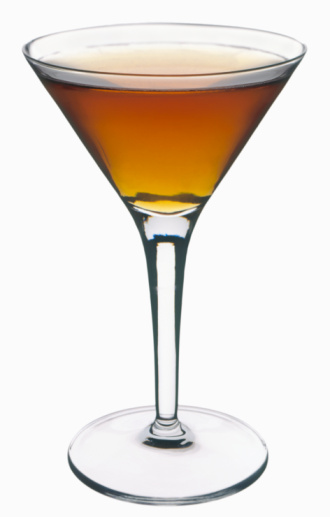
My Manhattan
(if you have a catchier name, please post a comment)

2 oz. rye – I like Rittenhouse 100
2 oz. Dolin rouge
4 dashes orange bitters

combine all ingredients in a shaker with ice, shake vigorously (no stirring, of course) and pour into a chilled martini glass. we don’t usually have our act together to serve it with a garnish, but a cherry or an orange wedge would do the trick.

4 Comments

Filed under Cocktails, Wine

Don’t let this happen to you

If you’re planning on any summer fun at the wineries this year, mind the elevated grape stomping bins.  This was actually broadcast live on Fox.

4 Comments

Filed under Videos, Wine

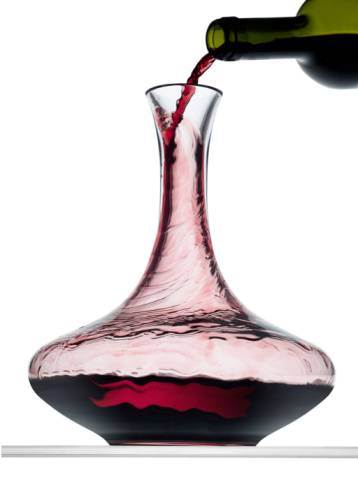
To decant or not to decant?

decanter

And the answer is: Decant!  No, it’s not that easy, but it’s close.  Here are some thoughts on how to decide.

The most obvious reason to decant is to separate the wine from any sediment that has formed in the bottle.  Sediment won’t hurt you, but it doesn’t look pretty in your glass and can sometimes taste bitter or astringent.  Before winemakers knew how to clarify their wines properly, decanting was the norm.  Now, it is rare for inexpensive, everyday table wines to throw any sediment.  A common culprit is vintage port – it’s bottled early in its evolution, so it will often throw a heavy deposit.  Other aged red wines will too, because some of the solids have precipitated out as part of the maturation process.  We can save “which wines are ageworthy” for another posting, but if it’s in a box, a jug or if it’s colored pink, drink it up and don’t worry about decanting it.

The other main reason to decant is to aerate the wine and encourage the development of the wine’s bouquet.  Don’t laugh because I used the term bouquet – it’s been used since the first half of the 19th century to describe the perfume of the wine.  My dad likes to bust my chops about the difference between aroma and bouquet and while many authorities may have a differing opinion about when a wine’s smell stops being an aroma and becomes a bouquet, it boils down to this: aroma is the simple smell of the grape and bouquet refers to the more complex compounds which evolve from fermentation and bottle aging.  So there, pops.

Karen MacNeil, author of The Wine Bible advocates decanting very tannic wines (think Barolo, Bordeaux, some Rhônes) and notes that it can be detrimental for more delicate wines (think Chianti or Pinot Noir).  Noted oenologist Émile Peynaud on the other hand argues that the action of oxygen dissolved in a sound wine when it’s ready to be served is detrimental – the aroma instead of being pronounced will be diffused and less marked.  He suggests only decanting when there’s sediment and just before serving.  Keep in mind that if you are following the steps from “swirl it, sniff it and slurp it down”, you’re aerating the wine as you agitate it in your glass.

Some folks claim that decanting softens the tannins in wine and experts have contested that decanting merely alters the perception of sulfites and other chemical compounds through oxidation, therefore making the wine seem easier to drink.  One thing we don’t have to argue about is the fact that a decanter looks darn pretty on your table (especially when it’s full of wine) and will get everyone excited for the meal.

1 Comment

Filed under Lessons, Wine

Fit me on the jitney

I have to admit that I’ve taken this title from the name of a nail polish, one that was my toe color a few summers ago. I’m using it because I rode a Hampton Jitney yesterday. But don’t be confused, I wasn’t on a bus full of aspiring socialites; I was with a bunch of chef instructors from the French Culinary Institute.

Mercer Tools sponsored a professional development trip for some of the instructors at my school and took us to Paumanok Vineyards, Peconic Bay Winery and The North Fork Table.

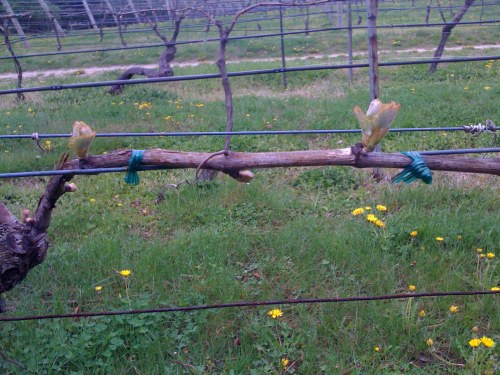
It was a special day at Paumanok because budbreak was starting on some of the vines, like this Sauvignon Blanc:

img_0236

The grounds at Paumanok are beautiful and I would’ve taken more shots had it not been for the constant rain. They have a deck overlooking the vineyards and it’s just begging you to sit out with a glass of wine. I think the trip might have changed a few minds that would have previously poo-pooed spending a weekend day on Long Island.

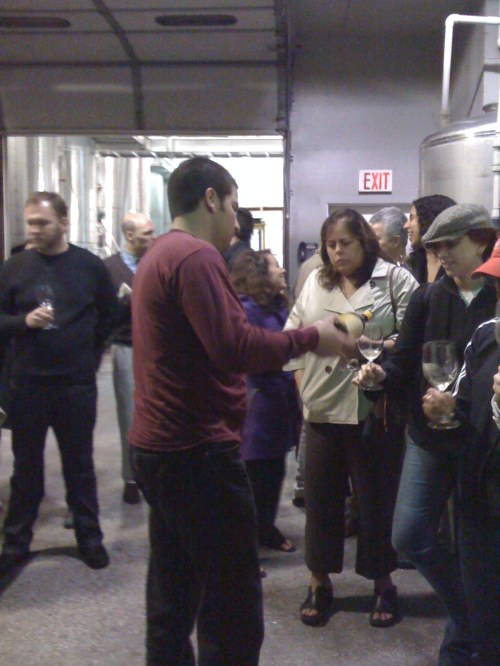
Kareem Massoud, the winemaker, tasted us through 3 whites, 3 reds and their late harvest Riesling.

img_0242

We tried the 2008 Chenin Blanc, the 2007 Sauvignon Blanc and the 2007 Barrel Fermented Chardonnay:

img_0244

I’ve used the Barrel Fermented Chardonnay in some of my wine classes before to show a good, local example of Chardonnay that exhibits well-integrated oak. You can still taste the apples, pears and melon instead of having the sensation of chewing on oak chips.

The unofficial crowd favorite of the day was the 2008 Chenin Blanc. Just bottled, it was bright, crisp and refreshing with lots of pink grapefruit. Luckily, the Massouds were willing to wheel out a few cases at the end of the tasting so several of us could make purchases.

We also tried the 2006 Cabernet Franc, the 2004 Grand Vintage Merlot and the 2005 Assemblage (this vintage was 44% Merlot, 34% Cabernet Sauvignon and 22% Petit Verdot). We’ll be pouring the Cabernet Franc by the glass soon at L’Ecole – cherries, earth and spice dominate this light to medium red. The reds of Paumanok recently got a nice write up in the NYT, so if you’d like to learn more, go here. The late harvest Riesling was also a hit – not too viscous, with great acidity and lots of peaches and dried apricots on the nose and palate.

The next stop was Peconic Bay, the third oldest vineyards in Long Island, with Chardonnay vines dating back to the late 1970s. Pascal, their Retail Operations Manager, led us through a tasting of their 2006 Steel Fermented Chardonnay, 2006 La Barrique Chardonnay, 2006 Riesling, 2004 Cabernet Sauvignon, 2005 Lowerre Reserve Merlot and Polaris, their signature dessert wine.

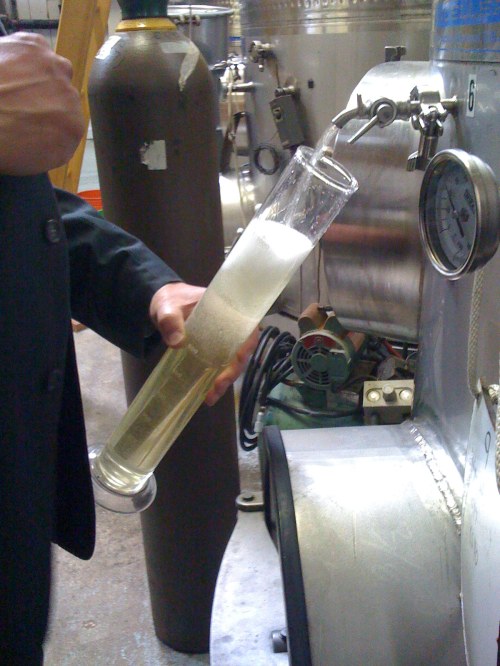
The highlight of this visit was when we left the tasting room and went into the winery for some barrel samples:

img_0246img_0250


We tried their Steel Fermented Chardonnay again, this time the wine was still waiting for an additional filtration before bottling and the star of the show, their 2007 Merlot. It was juicy, with plums and cherries and plenty of chewy tannins. Conditions in 2007 were warm and dry and this will be a vintage to watch in Long Island. If you’re a fan of Wine Spectator, they’ve given the 2007 vintage in Long Island an A.

This blog is making it seem like I spend every weekend in Long Island – I’m two for two since A Thirsty Spirit’s inception. I can assure you I’m not being paid by their tourism board, but I’ll admit that it’s easy to get to (even without a van or jitney), green and has lots of tasty things to eat and drink.

Leave a comment

Filed under Wine

Earth dog

terrier-in-vineyard
Actually, this post is about terroir, not terriers (French for “earth dog” because they chase rodents into burrows). As you can tell, they share the same root – terra, which means earth or land.

That is essentially what terroir is – a sense of place expressed in wine. It also applies to coffee and tea. Say it with me. “Ter-whah”.  Good, now you speak French.

This is a much-discussed word and no precise English equivalent exists. Major components of terroir include: Climate – sunshine, temperature and rainfall – all these will determine how the grapes will ripen and therefore how the wine will taste.   Wines from warmer climates tend to be juicier because the grapes get more ripe.  You can break this down further, too, to include the enviornment right around the canopy (the part of the vine above the ground) and it’s called microclimate.  Take it another step and you have mesoclimate, which refers to the environment of the particular vineyard – its aspect, elevation, slope, distance to water, soil types, etc.   The local grape varieties play an important role, too.  Some grapes simply perfom better than others in certain areas.  Other human decisions, such as selecting yeast cultures and certain winemaking practices will also affect the terroir.  Some winemakers may choose to use ambient or wild yeasts in their winemaking to enhance the terroir.  The use of oak has the potential to downplay the impact of terroir. 

The idea of terroir has formed the backbone of the appellation system in France – the idea that wines from particular areas are unique.  Winemakers in Burgundy do not believe they are making Pinot Noir that happens to be grown in Burgundy, but rather, that they are producing Burgundian wines that happen to be made from Pinot Noir.  They consider themselves wine growers as opposed to wine makers.  This idea spread to the rest of the Europe, so that winemakers outside of Tuscany can’t make a wine from Sangiovese and call it Chianti. 

Terroir also plays into the debate over Old World vs. New World wines.  Do mass-produced wines adjusted to American palates reflect any particular terroir?  If you have a super-ripe Cabernet Sauvignon in your glass, would you be able to tell if it’s from California, South Africa, Chile or Australia?

Let’s practice using it in a sentence or two, so you’ll never be intimidated by the word again.  “I prefer Old World wines because they reflect a greater sense of terroir” or “The blue slate soils of the Mosel valley in Germany are partially responsible for the unique terroir of the region, imparting a strong mineral character to the wines.”

12 Comments

Filed under Lessons, Pronunciation Guide, Wine

Swirl it, sniff it and slurp it down

6-glasses-on-white-tablecloth1

Here are 8 easy steps that you can use to impress your friends and make them think you know how to taste like a pro.

1.  Look at the wine against a white background.  I’m already making the assumption that you have clean glasses as well as good lighting (and some wine).  You can remember the 3 C’s – clarity, color and carbon dioxide.  Do you see any particles?  Is it white or red or pink?  Pale or dark?  Does it have bubbles?  Feel free to use fancy words like straw yellow, old gold, garnet and brick red.  The white background will help you more accurately gauge the color as well as the opacity of the wine.

What does the color tell you?  Different grape varieties will make deeper or lighter colored wines because the color in the wines comes from the skin of the grapes.  Cabernet Sauvignon, Syrah and Nebbiolo tend to produce deep red wines.  Gewürztraminer and Pinot Gris are two examples that produce deep white wines (their skins are pinkish).  A deep color can also mean youth in a red wine or oxidation or barrel fermentation in a white wine.  Red wines lose color as they age, while white wines gain.

2.  Swirl the wine in your glass.  Yes, there really is a good reason for this.  You’re increasing the surface area of the wine by coating more of your glass as well as releasing some additional aromas that have been trapped in liquid form in the wine.

Tears are not a sign of quality in wine, but rather give clues about the wine’s viscosity and alcohol content.  Fuller bodied, higher alcohol wines often have more pronounced tears.  If you see pink stains on the side of your glass after swirling your red wine, it could be because the wine maker let his or her wine sit with the grape skins a little bit longer to extract more color.

3.  Take a few deep sniffs of the wine.  This is the most important part, so don’t be shy and get your nose right in the glass.  Is it restrained or pungent?  Does it remind you of anything you’ve had before?  Fruits?  Spices?  Vegetables?  Flowers? Wood?

As you practice, you’ll become familiar with common aromas found in certain varietals – i.e. Grüner Veltliner often has arugula and white pepper on the nose.  You can also gather clues about how the wine was treated – i.e. vanilla, baking spices and toast are common aromas found as a result of oak aging.

4.  Taste the wine.  It’s helpful to think of mouthwash here, because you want the wine to hit all parts of your palate.  While the myth of the tongue map is not true, you do want to look for certain things in certain parts of your mouth.  You want to look for sweetness on the tip of your tongue.  You can gauge the acidity in the wine by how the sides of your tongue feel.  Are they tingling?  Do you feel like you might start drooling?  That means high acidity.  You can rate the tannins based on how the inside of your cheeks feel.  Are they dried out like someone stuck cotton balls in there or like when you oversteep your tea and don’t put any milk or sugar in it?  That means a high level of tannins in the wine.

5.  Concentrate on your perceptions.  Once you swallow or spit the wine out, the experience is not over.  The finish of the wine, especially if it’s a good one, will last long after you have it in your mouth.  What you’ll notice, too, are aromas coming up the back of your throat, so you might get some notes now that you missed in the beginning.

6.  Evaluate the wine.  Is the wine’s flavor bold and concentrated or is it subtle and understated?  Is is fruity?  Do you think any oak was used?  Think about the sweetness, the acidity, the tannins and the body.  A good way to think about the body of the wine is to think about milk.  Did the wine drink like skim milk or was it more like half and half when you had it in your mouth?  The body is esentially the weight of the wine.

7.  Think about the wine.  Will it taste better with food?  Is it appropriate for the season?  Is it worth the price?  And the most important question of all – do you like it?  In the end, even if you’re following all of these fancy steps, that’s all that really matters.

8.  Record your impressions.  Hopefully you’ll be trying lots of different wines and by keeping notes you can keep track of what you liked and didn’t like.  This will make you sound smarter the next time you go to your local wine shop or have a conversation with a sommelier at a restaurant because you’ll be able to say things like, “I prefer crisp, refreshing whites with high acidity”.

Even if you think you have a lousy palate, you just need practice.  The biggest obstacle for most people to overcome is the lack of vocabulary to describe what they’re smelling and tasting.  So, practice, practice, practice.  It’s a tough job, but somebody’s gotta do it.

3 Comments

Filed under How to, Wine

Say it, don’t spray it!

That, in essence, is the mantra of organic wine makers – let the soil and grapes speak, don’t soak them with fertilizers and pesticides, and when you’re back in the winery, manipulate the grapes and wine as little as possible.  Sounds pretty good right?  If you can find great wines that have been produced in an earth-friendly way, why would you drink anything else?

The question, however, is how can you tell if something is organic? And what does biodynamic, sustainable or natural winemaking mean?

To answer these questions, I went to “Defining Organic: Green Wine Demystified” with Adam Morganstern, editor of the Organic Wine Journal, at the Astor Center.  It was also a good opportunity to do some research on the competition – as you may know I teach wine classes at FCI.  While I came in with a good knowledge of these concepts, the lecture and the tasting conducted by Greg Wacks was enlightening and I left knowing more than I started with.  I also tasted some great wines.

Here are the Cliff Notes:

The terms organic, natural and biodynamic are confusing because they have multiple definitions and some of the practices overlap.  Let’s start with organic.  At its most basic level, it means wine from grapes grown without the use of herbicides, pesticides, fungicides and chemical fertilizers.   100 years ago, organic farming was the norm.  Industrial farming was an outgrowth of the World Wars – primarily stemming from technologies related to chemical weapons and bomb-making.  Scary right?  Chemical manufacturers needed new markets in the post-war years and found that many of their products could be applied to agriculture.  At first it seemed like a dream come true – in the first year or two of using pesticides the farmers saw tremendous growth.  Soon after, however, their soil was dead (i.e. not even earthworms).  So, the chemical companies then suggested fertilizers.  New diseases began popping up and the companies could then sell their fungicides.  So, a nasty and expensive cycle was born.  Organic practices intend to break that cycle.
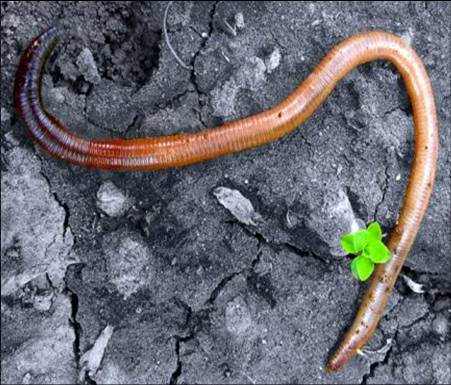
earthworm

Natural wines have no official certification.  The general rule for natural wine is minimal intervention, but the catch is: what is practiced in the vineyard doesn’t necessarily reflect what is being practiced in the winery.  To formalize things, some winemakers have banded together and created loose standards:  small quantities of wine made by independent producers, handpicked grapes, no added sugars or foreign yeasts.   As a result, their wines are more sensitive to changing temperatures and must be stored with care.

Biodynamic wines are controlled by a certifying agency called Demeter.   Biodynamics is the brainchild of Rudolf Steiner, an Austrian philosopher, literary scholar, educator, architect, playwright, social thinker and esotericist (busy man!).  The four basic principals are: a closed system of nutrients (composting, recycling), biodiversity on the property (plants, predators, prey – no monocultures), specific field sprays and composting, and the idea of creating a holisitic system where they manage the environment and let the plants take care of themselves.   So, yes, they follow the moon cycle, bury cow dung in horns, which is weird, but the ideas are based on hundreds of years of traditional farming techniques.

You might see one of these strutting around on a biodynamic vineyard:
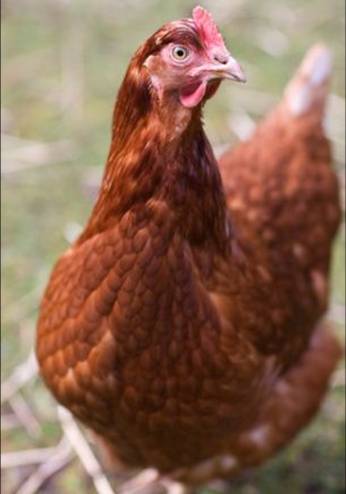
chicken

All this, and we haven’t mentioned sustainable winemaking.  Again, there’s no set definition for it and it could reflect sincerity or part of a marketing plan.  It could also be viewed as “organic until something goes wrong”.  One person’s sustainable could include solar power and being carbon neutral while another person’s sustainable is simply changing to a more efficient lightbulb.

It’s important to keep in mind that many producers are following some/most/all of the ideas we’ve touched on here, but don’t always want to be labeled for it.  They want to be known for the quality of their wines, not for the method in which they were made.   Like in cooking, a chef wants you to enjoy your meal, not worry about whether it was prepared using an aluminum or cast iron pan.   Some producers might also disagree with some of the government’s standards (too low, dumbed down).  Plus, it can also be expensive to get certified, particularly if you’re certifying in multiple different countries.

To be fair, not all organic, natural or biodynamic wines are good.  Many are the product of bad winemakers.  Others suffer from quality issues that result from natural winemaking – there’s a reason most winemakers use sulfites.  Consistency can also be an issue – there is often bottle variability within one case of wine.  Some may enjoy not knowing what to expect when opening a bottle, but those of us in the hospitality industry serving these wines to our guests may not feel the same.

All this being said, those selected by Adam and Greg were great (all prices from Astor Wines & Spirits):

1. Domaine Carneros Brut 2005 (Carneros, California):  3 years practicing organic, now certified.  toasty, biscuity nose with great acidity and a fruity palate. $19.99

2. Seresin Sauvignon Blanc 2007 (Marlborough, New Zealand): mostly biodynamic, though some grapes are sourced from non-biodynamic vineyards.  classic NZ Sauvignon blanc here – cut grass, passionfruit and peaches with a zippy tartness.  $21.99

3. Nikolaihof Grüner Veltliner “Hefeabzug” 2007 (Wachau, Austria): had Demeter certification on back label as well as a paper neck tag (which is interesting because this is a well-known producer who doesn’t necessarily need the additional marketing).  arugula and white pepper on the nose with citrus and minerals on the palate. $26.99

4. Jelu Malbec 2007 (Mendoza, Argentina): practicing organic estate.  fruit-forward with cherry coke aromas and flavors, high acidity and soft tannins.  a steal at $9.99

5. Le Loup Blanc “Le Régal du Loup” 2006 (Minervois, Languedoc-Roussillon, France): natural winemaker.  50% Carignan, 30% Grenache, 20% Mourvèdre.  standout of the evening for me.  dark fruits, baking spices, cinnamon ribbon candy and barnyard.  $18.99

6. Tablas Creek “Côtes de Tablas” 2006 (Paso Robles, California): received organic certification in 2003.  this wine is a blend of Grenache, Syrah, Mourvèdre and Counoise.  juicy red fruits with leather and licorice. $21.99

7. Clos des Camuzeilles Muscat de Rivesaltes 2004 (Languedoc-Roussillon, France): vins doux naturel (wines made by adding spirit before fermentation is complete – this additional alcohol kills the yeast and leaves you with a strong, sweet wine) from natural winemaker.  dried apricots, orange blossom, the liquid from canned peaches. $22.99

2 Comments

Filed under Wine