More on IBU

hops

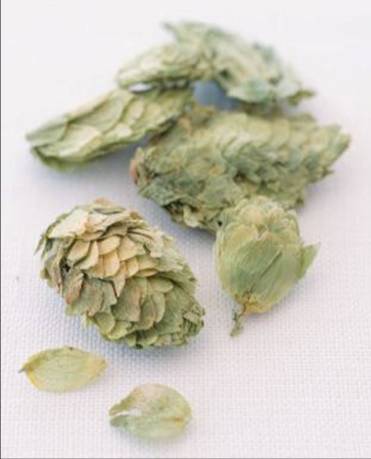
This is not really something you need to know (unless you’re a beer nerd), but I wanted to clarify and expand my initial definition.  A beer’s IBU is measured by the amount of hops used and their acid content.  So yes, the higher the IBU, the more bitter the beer.  This can be misleading, though and I’ll give you an example.  If you look through the tasting notes on my previous posting, you’ll notice that the Cherry Imperial Stout has the highest IBU number and I didn’t mention anything about it being bitter.   The malt sweetness in this beer is playing against the bitter hops. 

Also, hops aren’t the only culprit – roasted malts (think espresso), lower serving temperature, higher carbonation and a low residual sugar content can all make a beer seem more bitter.  Bitterness makes a beer refreshing and is necessary to balance out the sweetness of the malt.  It is also the backbone of the beer’s structure – think tannin or acidity in wine.   So, please don’t think of bitter as a dirty word.

1 Comment

Filed under Beer

Have van, will travel (for beer)

This weekend marked the inaugural camping trip for our 1990 Volkswagen Vanagon. We purchased it in December and up until this weekend had only slept in it in someone’s driveway. Inspired by the middle-of-August temperatures, we reserved a site at Wildwood State Park in Wading River, NY.

Shortly after arriving at our campsite, we realized we were less than 25 miles from a brewery that started out as “two guys with a dog, a van and a dream”. Granted, we were a guy and a girl and we had no dog, but we had a van and we were thirsty. The tasting room at Blue Point Brewing Company is open on Thursdays and Fridays from 3-7 pm and Saturdays from 12-7 pm. And by tasting room they mean they give out free beer and lots of it (take note, Brooklyn). They do offer tours on Saturdays as well (1 and 4 pm), but we opted for the tasting part.
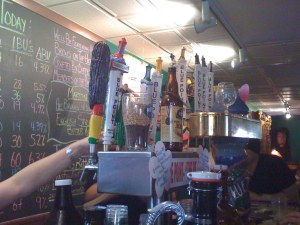
Blue Point Brewing CompanyWe bellied up to the bar and tasted through all they were offering on tap that day. Here’s what we found:

(you can find definitions of IBU and ABV at the bottom)

Golden Ale (16 IBU’s, 4.39% ABV): light gold in color with a crisp, clean, mineral taste. slight floral and citrus note with a malty finish. great for a day in the sun.

Toasted Lager (28 IBU’s, 5.5%ABV): this is their award-winning, flagship brew. pretty amber color. reminded me of grape-nuts, which might be due to the fact that they make it with 6 different malts. it is toasty, too, because of their direct-fire brew kettle. round, creamy and delicious.

Pale Ale (36 IBU’s, 5% ABV): yellow grapefruit and pine on the nose, with just the right level of bitterness and floral notes on the palate. rich, full and well-balanced.

Bruins Bitter (19 IBU’s, 4.9% ABV): yeasty, just like the smell of bread rising. would be better from a cask – too cold and carbonated here.

Blueberry Ale (14 IBU’s, 4.39% ABV): like a summer trip to Maine (lots of wild blueberries there). I do not care for fruit beers of any kind, but if I had to drink one, this would be it. they use 132 lbs of blueberries in each batch.

Oatmeal Stout (30 IBU’s, 5.2% ABV): chocolate, toffee, Quaker oats on the nose. rich and creamy with a campfire or smoked bacon finish. “tastes like it has fat in it” or “the lowest calorie bacon you could have”.

Hoptical Illusion (60 IBU’s, 6.3% ABV): rich, copper color with notes of pine, ruby red grapefruit and red bell pepper. would make an excellent Christmas beer, but I’d be happy to drink it anytime.

“Black and Blue” – 3/4 Oatmeal Stout and 1/4 Blueberry Ale: like having pancakes and bacon. the bartender shared her favorite comment about it, “some guy told me it tasted like he had eaten a blueberry muffin when he burped it up later”. classy. the ale lightens and brightens the stout. it’s punchy (both because of the light and bright and because it’s sweet, ripe fruit).

Rastafar Rye (48 IBU’s, 7.25% ABV): this is a rye pale ale and I thought the most interesting of the bunch. similar to the oatmeal, but less toasty (like provolone vs. Parmesan in terms of intensity). drinks like a stout, but finishes like an IPA – a Jekyll and Hyde brew – smooth, then bites.

Double Pilsner (48 IBU’s, 6.48% ABV): mean, lean and clean and goes down dangerously easy for the alcohol content it has. like Pilsner Urquell’s sexier cousin.

Cherry Imperial Stout (67 IBU’s, 9% ABV): like an iced coffee you’d want every day during summer. rich, smoky, fruity. wouldn’t have guessed cherries had been added had it not been in the title (just a fruity coffee aroma and flavor).

It’s very satisfying when local things are done well. You can find a rotating selection of Blue Point Brewing Company’s beers here.

IBU = International Bitterness Units – the higher the number, the more bitter

ABV = Alcohol by Volume – the higher the number, the sooner you should hand over your car keys

12 Comments

Filed under Beer

Oh, you pretty thing

violetspicture21Creme de Violette

One day it’s 50 degrees and raining and 3 days later it’s 80 and sunny. What’s happening with spring this year?

But fear not – let me introduce springtime in a bottle – Rothman & Winter Crème de Violette.

Flowers to drink? Well, you’ve tried pine berries and walnuts, so what do you have to lose?

Violets are fairly common in the culinary world. When newly opened, flowers in the Viola family can be used in stuffings for poultry or fish or to decorate salads. Soufflés, creams, cakes, chocolates and other desserts can be flavored with them, too. Don’t forget about Choward’s violet mints. Another option is to sautée the young leaves and treat them like a leafy vegetable. But, why would you want a vegetable when you could have booze?

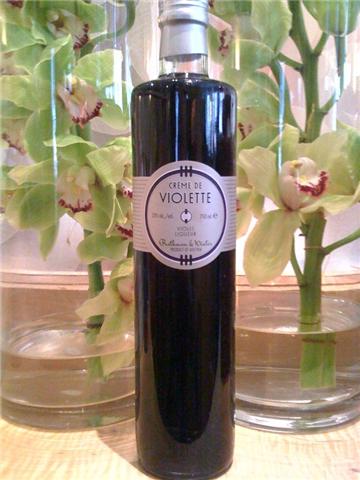
Again we travel to Austria, where Queen Charlotte and March violets are carefully macerated with grape brandy and cane sugar. The photo above may not do it justice, but this liqueur is electric purple! It smells like the perfume of a lady (one your mother would approve of).

Historically, this type of liqueur has been used in Champagne cocktails as well as the Aviation (gin, lemon and Maraschino) and the Blue Moon (gin and lemon), but this is what I suggest:

Violette Femme
*2 oz. gin (try Hayman’s Old Tom – round, deep flavor)
*1 oz. Rothman & Winter Crème de Violette
*1/2 oz. Yellow Chartreuse (milder and sweeter than the green)
*1/2 oz. lemon juice
*1/2 oz. agave nectar (fairly easy to find, try Whole Foods – a little more intense than simple syrup, so you need less)
*combine all ingredients and shake with ice, strain, serve up and garnish with candied violets (you can find them at Dean & DeLuca)

You can find the Crème de Violette here or enjoy the cocktail at brunch on Saturdays and Sundays here.

7 Comments

Filed under Cocktails, Spirits

Awww, nuts

Nux Alpina Walnut LiqueurWe’ve moved from floor cleaner to Waldorf salad. Almost edible.

The word walnut stems from an Old English word meaning “foreign nut”. It got this name because it was introduced to us from Gaul (historical name from Roman times to describe Western Europe – now the area of France and Belgium) and Italy. The previous Latin name for the walnut was nux gallica.

So now I introduce to you Nux Alpina Walnut Liqueur. There are some pretty easy recipes to make walnut liqueur at home (often referred to as Nocino), but I can guarantee you this one is tastier. Another family affair, the Purkharts pick fresh green walnuts each summer and let them sit in grape brandy for months. For the last 4 weeks, they add in a top-secret variety of spices and alpine botanicals (no corn syrup or vanilla extract here).

This version is rich, aromatic, well-balanced with a smooth finish, and of course, it’s nutty. Esentially, a tastier way to get your omega-3 fatty acids and for you ladies to reduce your breast cancer risk.

Here’s a cocktail to try:

Mixed Nuts (I gave it this name because sherry has a distinct almond aroma and flavor)
*2 oz. Oloroso Sherry (try Lustau – easy to find, inexpensive)
*1.5 oz. Nux Alpina Walnut Liqueur
*3/4 oz. Aperol (aperitif produced by Campari company with notes of bitter orange and rhubarb)
*1/2 oz. simple syrup (this is easy to make at home -use equal parts sugar and water – i.e. 1 cup sugar dissolved in 1 cup water)
*4 dashes orange bitters (Regan’s)
*juice of 1/2 lemon
*dash of salt (almost always a good idea in any cocktail – makes the flavors pop)
*combine all ingredients in shaker with ice, strain over ice and serve in rocks glass
*garnish with orange wheel

You can find the Nux Alpina here or the cocktail here.

11 Comments

Filed under Cocktails, Spirits

“That’s the power of Pine-Sol, baby!”

Zirbenz Stone Pine Liqueur of the AlpsPine liqueur – really? This one is to drink and not to spruce up the flooring.

Don’t be afraid, be thirsty.

You may be familiar with Retsina, a resinated wine that is extremely common in Greece. It’s made just like any other white wine, except for small pieces of Aleppo pine resin are added to the must (fermenting wine) and left there until the finished wine is removed. Major production areas are in central Greece, close to Athens and the grapes used most often are Savatiano, Rhoditis, Assyrtiko.

Resinated wines can be traced back to the days of the Ancient Greeks and Romans. They used to keep their wines in porous, earthenware vessels and eventually learned to coat the inside with resin so the wine would keep better. This eventually morphed into adding the resin directly to the wine. Many people came to enjoy the taste of resin, so it became not only a preservative, but also a flavoring agent. Even ‘Pliny the Elder’ suggests adding resin to fermenting must (Natural History 14.124).

Today, resins have several uses in wine-making: surfacing the inside of wine vats, surfacing floors in wineries and bottling halls (resin is more resistant than concrete to acids in wine), adding flexibility to bungs for wooden barrels, stabilizing pigments in red wine. For you science nerds, resins (natural or man-made) are long chains of simpler molecules that are capable of polymerizing.

Now for the task at hand – a pine liqueur worth drinking and what to do with it. Pictured here is the Zirbenz Stone Pine Liqueur. Generations of mountaineers have learned from Josef Hofer how to harvest the Arolla stone pine in the Austrian Alps. You may have expected the Zirbenz to be green, but the natural red color comes from the fruit of the pine. Hofer began his family distillery in 1797.

So, how does it taste? Well, yes, it’s piney, but it’s also sweet and floral – like a prettier, more nuanced Fernet Branca. The producers recommend enjoying it apres ski, but this is what I suggest (I call it the Stone Fox):

Stone Fox
*2 oz dark rum (try Goslings)
*1 oz Stone Pine Liqueur
*1/4 oz simple syrup

*1/4 oz lemon juice

*juice from 2 pieces of orange
*4 dashes orange bitters (try Regan’s)

*dash salt
*combine all ingredients in shaker with ice / strain / serve
*serve up and garnish with orange twist

Click here to find the Zirbenz Stone Pine Liqueur. If you don’t feel up to making this at home, come enjoy one at the bar at L’Ecole.

6 Comments

Filed under Cocktails, Spirits